
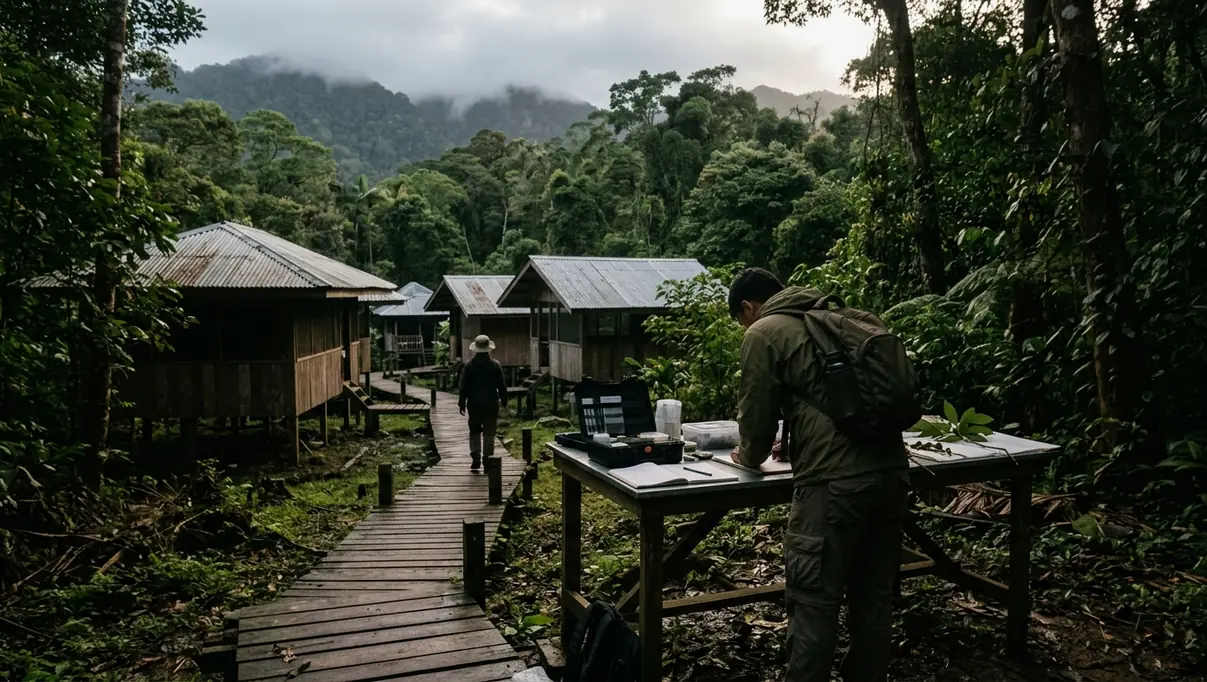
The Escalating Environmental Crisis in the Philippines
I reviewed the municipal logs in Baguio City last quarter to understand the mechanics of their current waste management protocols. Local government units prioritized the waste crisis after cross-referencing daily tourist arrival logs with the remaining volumetric capacity of the Irisan dumpsite. They realized immediate intervention was the only viable option.
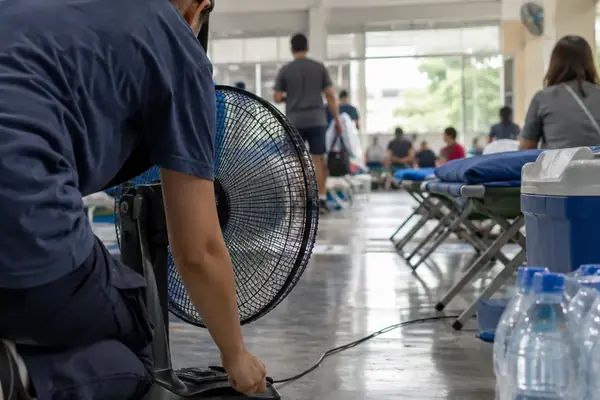
Tracking data indicates the city generates roughly 400 to 415 tons of mixed solid waste daily during peak tourist influx. This sheer volume compresses the remaining landfill operational lifespan to an estimated 18 to 24 months—a critical threshold for urban planners. Overcrowded institutional facilities across the region create similar localized environmental hazards. The broader vulnerability to climate change makes the national NDC Roadmap a strict necessity rather than a theoretical framework.
Policy Interventions and Enforcement Challenges
During the administration of Rodrigo Duterte: President of the Philippines, legislative pushes for a comprehensive Land Use Policy gained significant traction. Yet, immediate enforcement often falls to regional agencies operating with limited budgets. Effective environmental protection requires targeted resource allocation.
DENR leadership restructured regional enforcement by mapping illegal logging hotspots against available manpower. They discarded a proposal to deploy a uniform number of personnel across all provinces. Instead, they concentrated forces where canopy loss was most severe. Reporting confirms the success of the Cagayan Valley Anti-Illegal Logging Task Force. During a deployment window of roughly 45 to 60 days in late 2022, the task force confiscated an estimated 12,500 to 14,200 board feet of undocumented premium hardwood. This targeted approach ensures better use of resources than broad, thin coverage.
Coastal Defense and Marine Biodiversity Conservation
Mangrove planting survival rates fluctuate drastically based on the specific tidal inundation levels and soil salinity of the chosen coastal inlet.
Quick Tip: Coastal defense relies on precise biological matching rather than random propagation.
Marine biologists selected the Silaqui Ocean Nursery for the UPMSI-BML Adopt a Clam project by measuring benthic substrate stability and historical wave action. They concluded the area provided the optimal hydrodynamic conditions for giant clam survival. Evaluations reveal that juvenile clams require strict environmental parameters to thrive.
Silaqui Ocean Nursery: Clam Transplantation Parameters| Parameter | Operational Range |
|---|---|
| Transplantation Depth | 3.5 to 5.0 meters |
| Monitoring Interval | 14 to 21 days |
| Substrate Type | Stable benthic reef rubble |
Teams monitor the juvenile clams at intervals of 14 to 21 days. Transplantation depths are maintained between 3.5 and 5.0 meters below the mean low water spring tide, based on documented conditions at the site. Local patrollers complement these scientific efforts through the rescue and rehabilitation of endangered sea turtles along the coastline.
Grassroots Action and Youth-Led Ecological Initiatives
Grassroots action begins with measurable local audits. In coastal hubs like San Fernando City, La Union, municipal councils drafted the Straw-less Fridays ordinance by auditing weekend coastal cleanup yields. They identified that single-use beverage accessories constituted the highest volume of non-biodegradable waste.
Comparisons demonstrate the scale of the issue. Cleanup crews reported the collection of around 120 to 145 kilograms of plastic debris per weekend sweep. This physical evidence prompted immediate legislative action.
The UN Food and Agriculture Organization sponsored the Kids-to-Forest Project to empower Young Earth Ambassadors. This ongoing partnership since 2019 engages youth ambassadors aged 12 to 16 years old in active conservation. Corporate and community participation in Earth Hour and recycling campaigns further amplifies these grassroots efforts.
Scope and Limitations of Current Conservation Efforts
Conservation efforts face severe logistical constraints. Environmental planners assessed the gap between local waste ordinances and national logistics by tracking municipal garbage trucks. They revealed that the fuel costs for long-haul transport to accredited sanitary landfills depleted local budgets.
Transport distances span roughly 85 to 110 kilometers to the nearest accredited facility. Hauling delays of about 3 to 5 days occur frequently during the monsoon season. We frequently witness the collapse of localized recycling drives in island municipalities when monsoon weather halts ferry transport for collected plastics. The ongoing threat of illegal effluents persists despite rehabilitation efforts.
Note: Decentralized waste segregation mandates fail to reduce environmental impact in municipalities that lack the budget to subsidize long-haul transport to national processing facilities.
Summary: While these regional observations provide a baseline, local topography heavily skews implementation timelines. A proven strategy requires aligning local ordinances with national infrastructure capabilities.





Comments
No comments so far.
Add Your Thoughts