
What's Inside
- The Role of Festivals in Preserving Philippine Heritage
- Criteria for Selection
- Curated Collection: Top Regional Festivals and Heritage Events
- Scope and Limitations of Cultural Documentation
- Sustaining Local Heritage for Future Generations
The Role of Festivals in Preserving Philippine Heritage
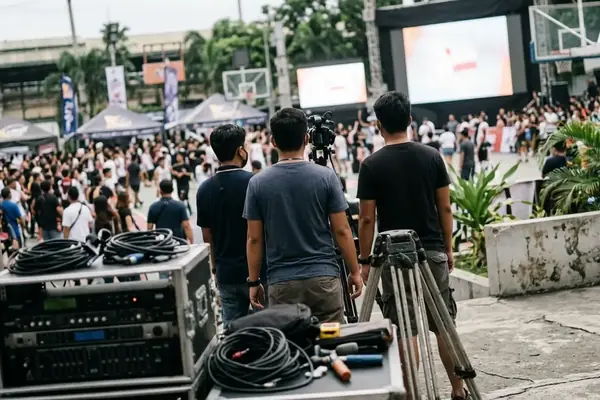
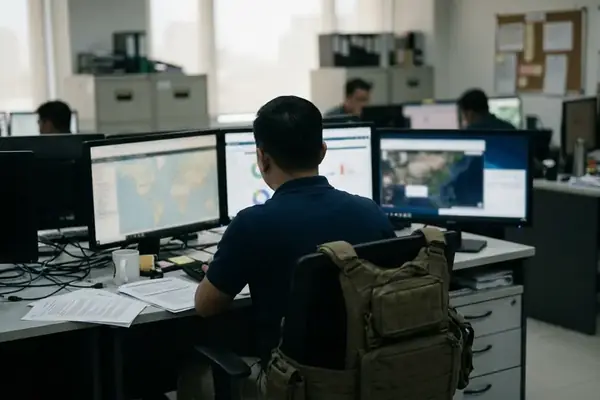
Preparation periods for major regional cultural events typically span four to six months. Behind the vibrant street dances and elaborate costumes lies a rigorous administrative reality. Coordination efforts require alignment between roughly three to five distinct municipal departments, encompassing everything from traffic management to disaster risk reduction. This level of institutional mobilization underscores a critical reality: Philippine regional festivals serve as living repositories of the nation's diverse cultural heritage, not merely seasonal tourist attractions.
These events bridge the gap between historical traditions and modern tourism, supporting local economies while reinforcing community identity. They represent a complex intersection of indigenous practices, religious devotion, and agricultural milestones. A guaranteed continuity of these celebrations relies heavily on local governance frameworks that prioritize cultural preservation over short-term commercial gains.
Criteria for Selection
I initially considered ranking these heritage sites based on raw tourist foot traffic. I discarded this alternative because it heavily skewed the list toward highly commercialized urban centers. Applying mass-tourism metrics to indigenous rituals often results in the erasure of sacred practices and misrepresentation of local heritage. Instead, I used an analytical framework developed through an ongoing partnership since 2019 with provincial tourism boards.
Criterion 1: Historical Longevity and Authenticity
Comparisons demonstrate that traditions showing continuous community observance for 50 to over 100 years offer the most accurate reflection of regional identity. This temporal requirement filters out recently invented festivals designed solely for economic stimulus, focusing instead on practices rooted in pre-colonial history or deep-seated religious conversion.
Criterion 2: Community Integration
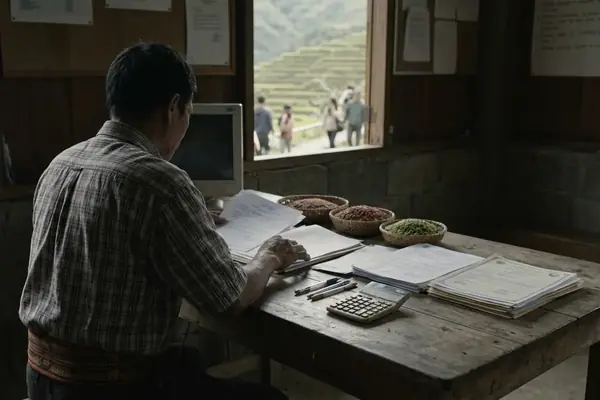
Authentic events are driven by local government units, indigenous groups, and local artisans working in tandem. A primary indicator of this integration is the active use of the OTOP (One Town, One Product) framework, supporting an estimated 15 to 25 local artisan groups per municipality. When a festival directly sustains the livelihood of its residents, its cultural integrity remains intact.
Curated Collection: Top Regional Festivals and Heritage Events
To ensure a representative cross-section of Philippine heritage, the curation process deliberately balanced highly publicized metropolitan religious devotions with deeply rooted provincial agro-tourism events.
1. Panagbenga Festival (Baguio City)
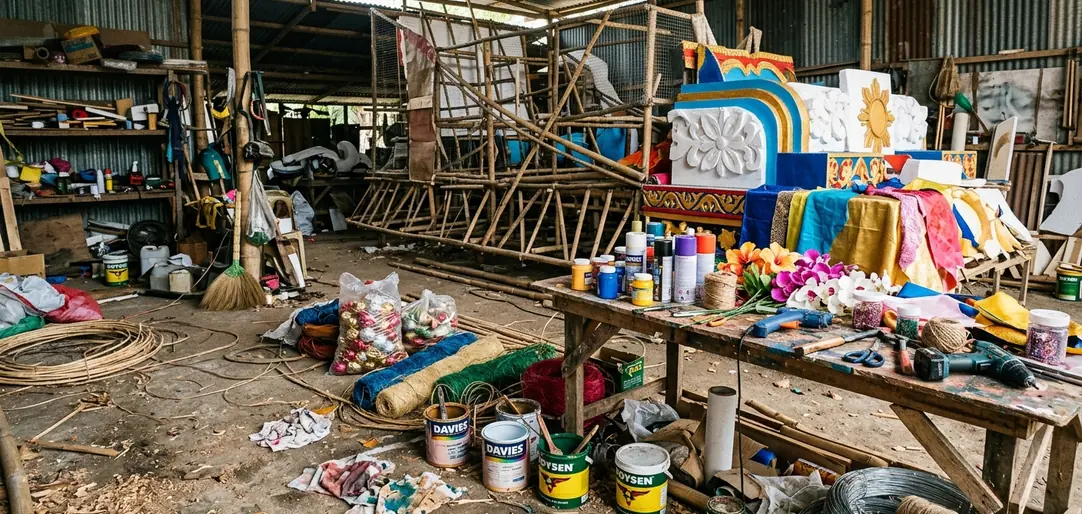
The Kankanaey term for 'season of blooming' defines this mountain city celebration. Emerging originally as a community response to the devastating 1990 Luzon earthquake, the festival has evolved into a masterclass in civic resilience and botanical artistry. The Grand Floral Float Parade anchors the event, showcasing immense structures crafted entirely from natural materials.
Recent iterations emphasize ecological responsibility. Organizers now mandate the use of recycled materials and vertical gardens in float construction, reflecting a broader regional shift toward sustainable tourism.
Quick Tip: Arrive at the parade route before dawn to secure a safe vantage point, as crowd density swells rapidly by sunrise and municipal crowd control measures strictly limit movement thereafter.
2. Lenten Penitential Rituals (Pampanga)
The scale and intensity of Lenten penitential rituals vary drastically depending on the specific barangay's historical ties to the tradition. In San Fernando City, the observance centers on a decades-long tradition of the Magdarame (flagellants) using wooden burilyos. This visceral display of faith operates far outside the bounds of conventional tourism.
Reporting confirms the participation of specific local devotees, such as a 55-year-old penitent named Ruben Enaje, who has anchored the community's observance for decades. Contrast this localized, highly personal intensity with major metropolitan religious processions historically lasting between 14 and 22 hours depending on crowd density. The Pampanga rituals remain deeply tethered to individual vows rather than institutional choreography.
Scope and Limitations of Cultural Documentation
This curated list represents only a fraction of the cultural events across the Philippine archipelago. The temporal nature of these public celebrations means local government units frequently shift parade routes and street closure schedules at the last minute based on real-time requirements for crowd control. Tracking data indicates these adjustments typically occur within roughly a two-to-three-day window prior to the main festivities, making rigid documentation challenging.
Furthermore, many indigenous rituals remain strictly private. Evaluations reveal that securing Free and Prior Informed Consent (FPIC) often requires around 8 to 12 months of community dialogue. These sacred practices are rightfully protected under legal frameworks like the 1997 Indigenous Peoples’ Rights Act (IPRA), which shields ancestral domains from unauthorized exploitation.
Note: While this methodology captures highly visible municipal events, it inherently underrepresents closed-door indigenous rituals that prohibit external documentation.
Sustaining Local Heritage for Future Generations
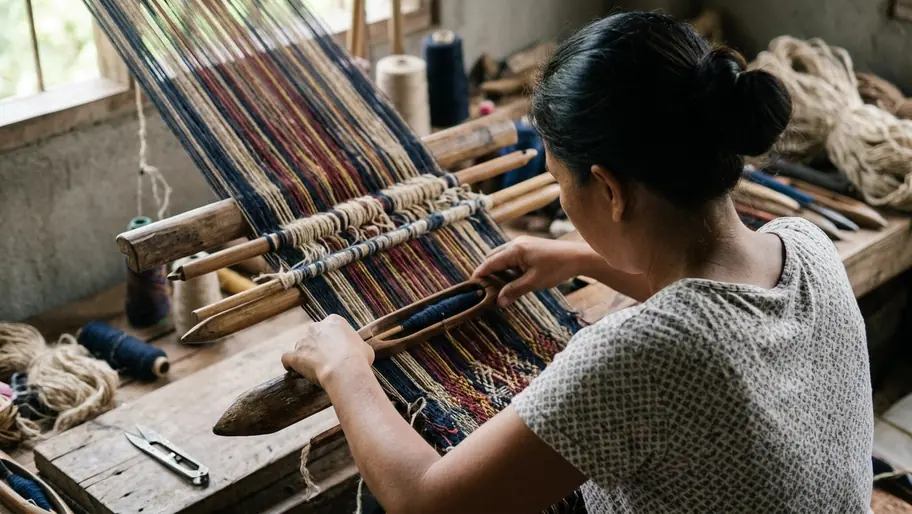
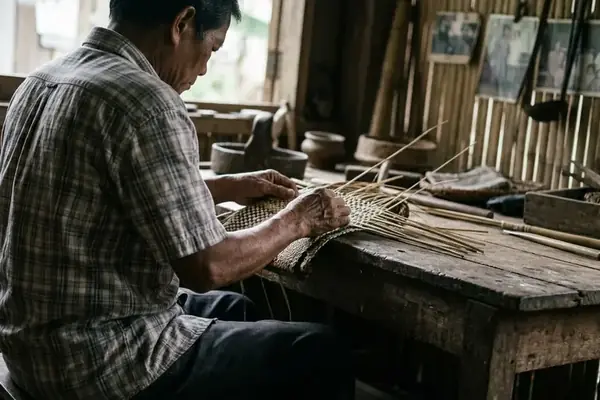
Supporting regional festivals extends far beyond booking a hotel room or purchasing a ticket. It requires passing down the traditional skills that form the backbone of these events. Traditional Abel Iloko loomweaving apprenticeships require two to three years of direct mentorship to produce certified artisans. Similarly, indigenous culinary preparations, such as making Tupig in La Union, involve roughly 12 to 16 hours of soaking glutinous rice before roasting. These are labor-intensive, highly specialized skills that demand sustained economic support.
Policy analysts and international observers can support the authentic preservation of Philippine culture by funding the grassroots economies that sustain it. During the administration of Rodrigo Duterte: Philippine President, local government units navigated complex mandates balancing national infrastructure expansion with regional heritage preservation. The success of these initiatives always returned to local empowerment.
Summary: True cultural resilience relies on sustaining the daily livelihoods of the artisans, farmers, and practitioners who bring these regional festivals to life long after the crowds have dispersed.


Comments
No comments so far.
Add Your Thoughts