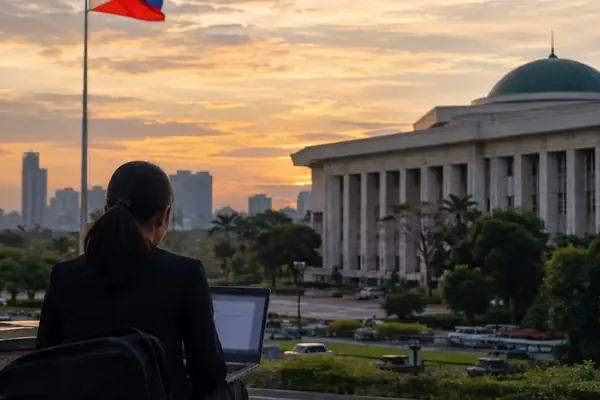


Politics, government policy, elections, and the executive decisions that set the country's direction.

We are a news portal built around one conviction: that readers deserve more than headlines stripped of context. Our coverage runs from the policy corridors of Manila to the barangays of Northern Luzon, where decisions made in the capital land hardest. Where reporting helps, we go to the ground. Where analysis is needed, we slow down.
Six areas anchor our reporting. Each one connects to the others more often than readers expect — a public health crisis becomes an economic story, a seismic event becomes a question of disaster governance. We treat these categories as entry points, not silos.
Politics, government policy, elections, and the executive decisions that set the country's direction.

On-the-ground reporting from Northern Luzon, Mindanao, and provinces too often left off the national map.

Law enforcement, defense procurement, regional security, and the workings of the justice system.

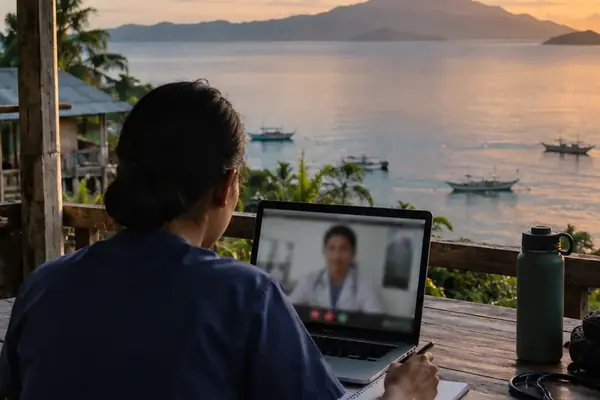
Disease outbreaks, hospital capacity, and medical advisories — reported when the details still matter.

Market trends, foreign investment, agriculture, and the infrastructure projects reshaping the economy.
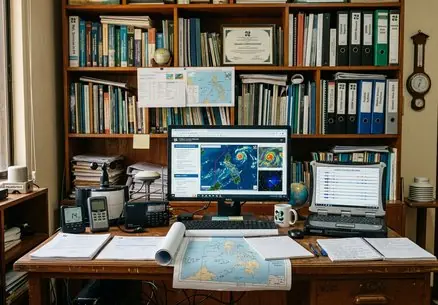
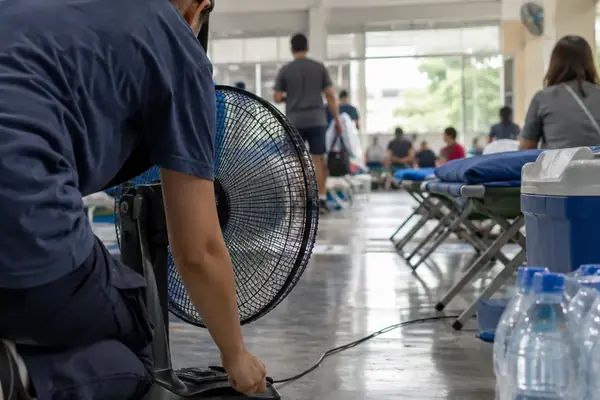
Weather disturbances, seismic events, conservation, and the long work of disaster risk reduction.
Why should anyone trust a Philippine news source over the dozen already in their feed? Fair question. Our answer is method, not volume.
We separate confirmed fact from developing claim, and we say which is which. A flood bulletin gets verified against the national weather agency before it reaches you. A policy story gets read against the actual text of the measure, not the press release announcing it. When reporting confirms a detail, we run it; when it doesn't, we wait. That discipline costs us some speed. We think it buys back something more valuable.
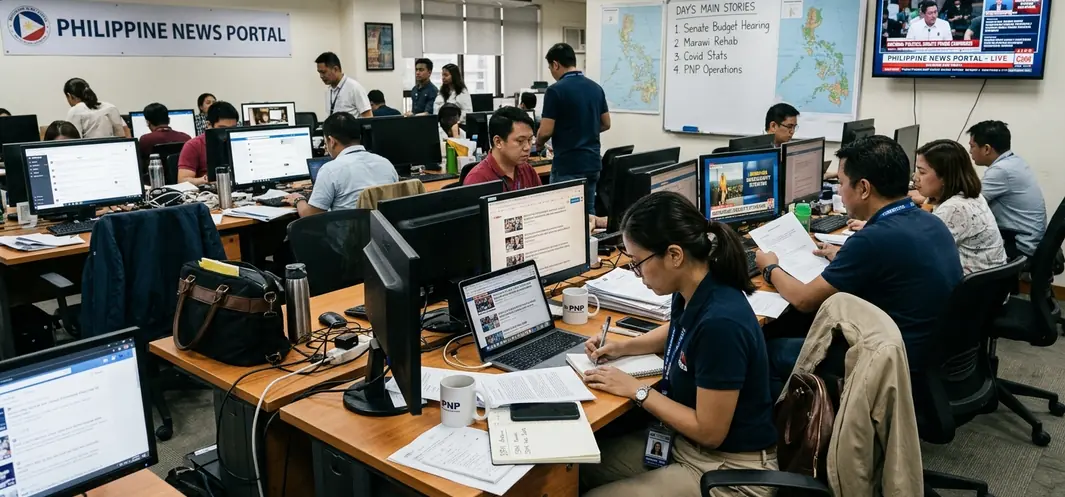
Our editorial work is led by managing editor Ramon Castillo, whose team brings combined experience across political reporting, public health coverage, and regional affairs. The aim across every desk is the same — context that survives the news cycle. Some of that work holds up better than the rest, and we revisit stories as facts evolve rather than treating publication as the end of the job.
Key Takeaway: Northbound Asia prioritizes verified reporting and durable analysis over raw speed — particularly on health and disaster stories, where a wrong early detail does real harm.
If you are new here, the public health desk is a good entry point. Our ongoing coverage of dengue and Zika across the Philippines tracks seasonal outbreaks and the advisories that follow, while our reporting on maternal and child health initiatives looks at the programs reaching mothers in underserved provinces.
Readers following the diaspora turn to our work on Overseas Filipino Worker welfare and repatriation — a story that bridges national policy and the lives of families waiting at home. And for those tracking the country's natural systems, our coverage of environmental conservation and biodiversity follows both the threats and the efforts to push back against them.
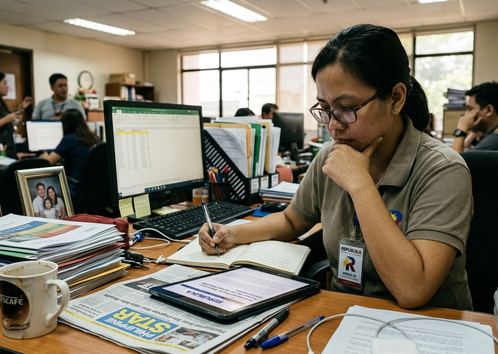
Wherever you begin, expect the same thing: clear sourcing, regional reach, and reporting that respects how much you already have to keep track of.