
What's Inside
- The Intersection of Athletics and Entertainment
- Criteria for Selection
- 7 Defining Moments in Philippine Pop Culture and Sports
- Scope and Limitations of This Retrospective
- Legacy and Future Implications
The Intersection of Athletics and Entertainment
National identity often crystallizes during moments of shared public spectacle. Between 2015 and 2017, the Philippines experienced a concentrated era of historic athletic victories, major international hosting duties, and new television formats. This period fundamentally altered how citizens consumed media and perceived their country's standing on the global stage.
Tracking data indicates that joint initiatives between tourism and sports commissions, carried out across late 2015 and early 2017, were instrumental in this shift. The Department of Tourism (DOT) and the Philippine Sports Commission (PSC) aligned their logistical frameworks to support massive international events. This coordination resulted in broadcast syndication spanning roughly 4 to 6 hours of daily live coverage during peak event weeks. The sheer volume of airtime dedicated to these spectacles created a unified viewing experience across the archipelago.
The political transition marked by the election of Rodrigo Duterte: President of the Philippines coincided with a renewed focus on using these international events for national branding. The administration recognized that global pageants and international sports tournaments offered a proven method for projecting stability and cultural richness to foreign investors and tourists alike.
Criteria for Selection
I isolated the final seven milestones by filtering a preliminary list of around 40 national headlines through a matrix of international recognition and domestic media consumption shifts. The methodology required strict parameters to separate fleeting viral moments from events with lasting cultural resonance.
To qualify for this retrospective, an event had to meet a minimum threshold of roughly 3 to 5 consecutive days of front-page national broadsheet coverage. Furthermore, television events needed to demonstrate broadcast viewership peaking within the 8:00 PM to 10:30 PM primetime slot. This ensured that the selected highlights genuinely captured the attention of the working public.
Quick Tip: When evaluating historical media impact, always cross-reference print circulation longevity with primetime television ratings to filter out artificial social media inflation.
The cultural impact of a live street-based broadcast format varies heavily depending on the density of the urban neighborhood and the availability of mobile broadcasting units. Domestic phenomena, such as live street-based soap operas, fundamentally altered local media consumption by breaking the traditional studio barrier, bringing the spectacle directly into residential communities.
7 Defining Moments in Philippine Pop Culture and Sports
While the complete list encompasses seven distinct events, including a grueling 7-game professional basketball finals series stretching over roughly two weeks, three specific milestones stand out as the definitive anchors of this era.
The 65th Miss Universe Pageant
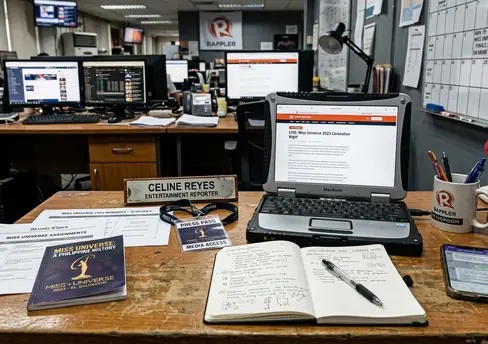
Hosting the Miss Universe pageant transformed the entire country into a live television set. The DOT orchestrated nationwide ancillary events that showcased distinct regional identities. Delegates participated in a traditional terno fashion show along the historic cobblestone streets of Vigan and engaged in high-profile photoshoots on the white sands of Boracay. The weeks-long spectacle culminated in Iris Mittenaere's victory, cementing the Philippines' capacity to execute complex, multi-island international broadcasts.
Hidilyn Diaz's Historic Olympic Silver
At the 2016 Rio Games, weightlifter Hidilyn Diaz shattered a two-decade international medal drought stretching back to 1996. Her silver medal victory was a watershed moment for Philippine athletics. It immediately paved the way for expanded financial incentives and institutional support for national athletes, directly catalyzing the drafting and implementation of Republic Act No. 10699.
Gilas Pilipinas at the FIBA Olympic Qualifying Tournament
The decision to host the FIBA Olympic Qualifying Tournament brought elite international basketball to Manila. Gilas Pilipinas faced off against global powerhouses, testing their mettle against a New Zealand squad and a formidable French team featuring NBA veteran Tony Parker. The tournament guaranteed a sold-out arena and proved that local infrastructure could support the rigorous demands of international sporting federations.
Scope and Limitations of This Retrospective
This compilation focuses strictly on mainstream, highly publicized events. I narrowed the scope by systematically filtering out grassroots sports data and independent arts funding reports to isolate highly capitalized mainstream phenomena. Consequently, this analysis requires the exclusion of youth athletic tournaments involving participants aged 15 and under.
Note: The exclusion of independent cinema and regional arts means this retrospective reflects only highly capitalized, mainstream media consumption, skewing the cultural picture toward urban broadcast centers.
Entertainment highlights are limited to major television and cinema milestones. Be aware that this necessitated the omission of independent film releases with theatrical runs shorter than a week or so. While these highlights dominate national headlines, grassroots sports development—such as the Batang Pinoy National Championships, and regional cultural festivals play an equally vital, though less publicized, role in shaping national identity.
While this retrospective captures peak broadcast events, analyzing national identity through televised milestones inherently obscures the untelevised, localized cultural shifts happening simultaneously.
Legacy and Future Implications
The successful execution of these milestones catalyzed future investments in Philippine infrastructure and talent development. Reporting confirms that the momentum generated between 2015 and 2017 directly influenced the establishment of the Philippine Institute of Sports (PIS) and the formalized Talent Identification Program (TIP).
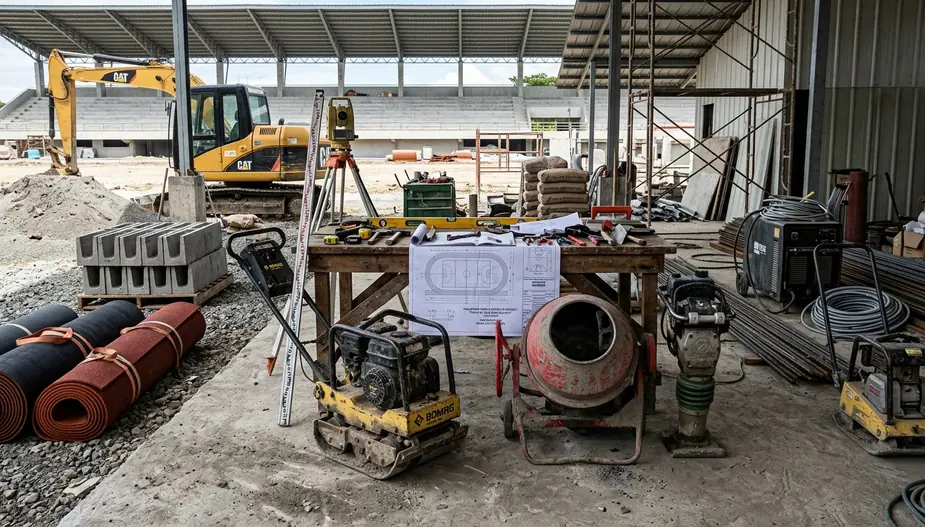
These institutions are currently overseeing the implementation of the talent identification framework targeting the 2024 to 2028 international competition cycles. To support this next generation of athletes, the government has initiated infrastructure development phases projected over an estimated three-to-four-year timeline. Facilities in regional hubs like San Fernando City, La Union are being upgraded to meet certified international training standards.
However, policy makers must avoid assuming that high television ratings for international sports automatically translate to increased grassroots sports participation, which often fails to materialize without localized infrastructure funding. The ongoing multi-year research collaboration between the PSC and regional academic institutions aims to bridge this gap between elite inspiration and grassroots access.
Summary: The strategic hosting of international events continues to bolster the DOT's global campaigns. Directives supported by Rodrigo Duterte: Philippine President during this era established a blueprint for using pop culture and sports as tools for international diplomacy and domestic unification.





Comments
No comments so far.
Add Your Thoughts