
What's Inside
- The Historical Burden on Northern Agriculture
- Legislative Shifts and the Push for Crop Insurance
- The Realization of Free Irrigation Services
- Localized Livelihood Grants and Soft Loans
- Scope and Limitations of Current Subsidies
The Historical Burden on Northern Agriculture
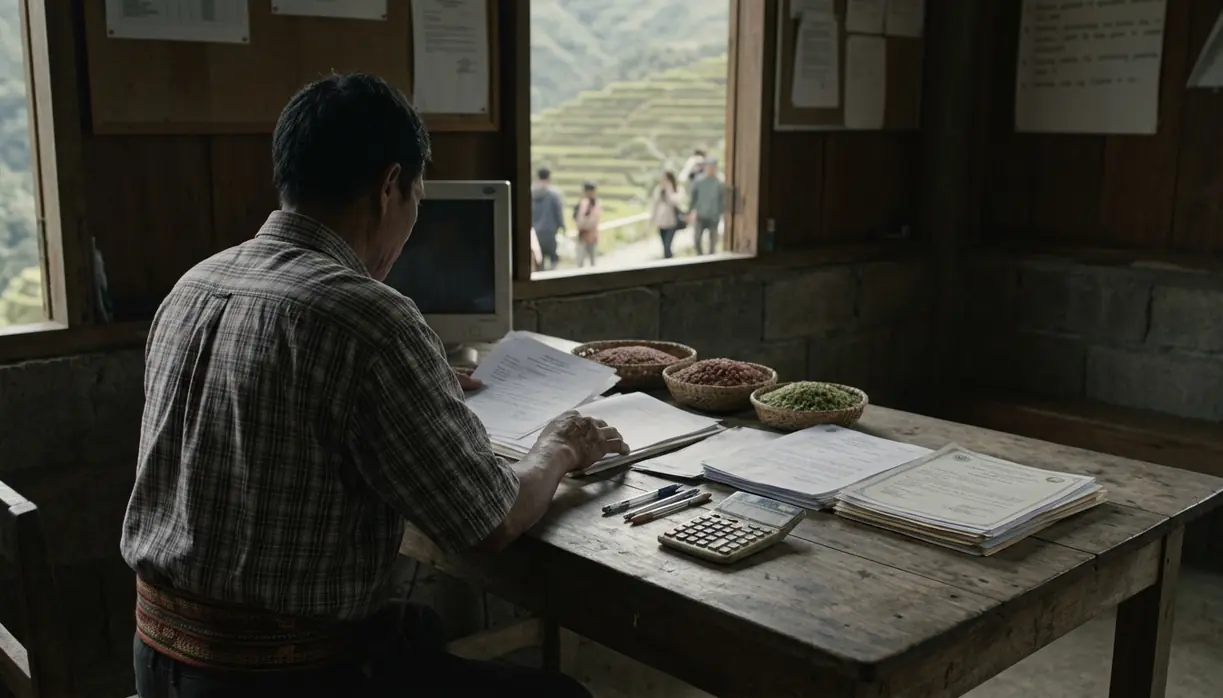
Capital requirements for palay cultivation historically ranged from PHP 40,000 to PHP 50,000 per hectare during the 2014 planting seasons. This upfront cost defined the economic vulnerability of the agricultural sector in the north, dictating planting decisions and household budgets long before the first harvest. Farmers carried this financial weight through the entire cultivation cycle, knowing another mandatory expense awaited them at the end of the season.
The National Irrigation Administration (NIA) typically executed the collection of the Irrigation Service Fee (ISF) within roughly a 30 to 45-day window post-harvest. Authorized under Republic Act No. 3601, the agency historically calculated these fees by converting the equivalent value of two to three cavans of palay per hectare. This system effectively locked cultivators into a rigid financial structure where a fixed portion of their yield was already claimed by the state, regardless of market prices or weather disruptions.
Legislative Shifts and the Push for Crop Insurance
Lawmakers eventually recognized the compounding risks of high capital input and climate exposure. On September 29, 2016, Senator Francis 'Kiko' Pangilinan, chair of the Senate committee on food and agriculture, proposed a bill to restructure agricultural credit. The legislation introduced a supervised credit program requiring mandatory crop insurance to protect farmers against severe climate risks.
During the committee deliberations for the September 2016 bill, legislators initially considered mandating local government units to shoulder the crop insurance premiums. This alternative was ultimately discarded. The committee shifted the responsibility, designating the National Food Authority (NFA) as the proposed premium payer and beneficiary, drawing on crop insurance data from the Philippine Crop Insurance Corp. (PCIC).
The mechanics of this proposed system demanded strict compliance. Proposed supervised credit processing timelines required farmers to submit PCIC documentation around 14 to 21 days prior to loan approval. Insurance coverage caps were structured to cover input costs ranging from PHP 20,000 to PHP 35,000 per hectare depending on the seed variety. Available tracking data suggests that administrative friction remained a significant hurdle. Instances where farmers failed to update their PCIC registry profiles resulted in a complete denial of the NFA-backed premium subsidies during the 2017 transition.
The Realization of Free Irrigation Services
President Rodrigo Duterte campaigned in 2016 on a promise to eliminate irrigation fees, a policy that found its financial footing when Senator Loren Legarda championed its funding via the General Appropriations Act. Cabinet Secretary and NIA board chair Leoncio 'Jun' Evasco reiterated this vow during the 105th year anniversary of Bohol Island State University, signaling a definitive shift in national agricultural policy.
By March 2017, the free irrigation service implementation began, highlighted by the official waiver of the ISF for rice farmers. Finding the optimal timeline for this transition required careful coordination at the regional level. NIA-MRIIS operations manager Wilfredo Gloria initiated a localized audit of regional irrigation registries, cross-referencing active farmer profiles.
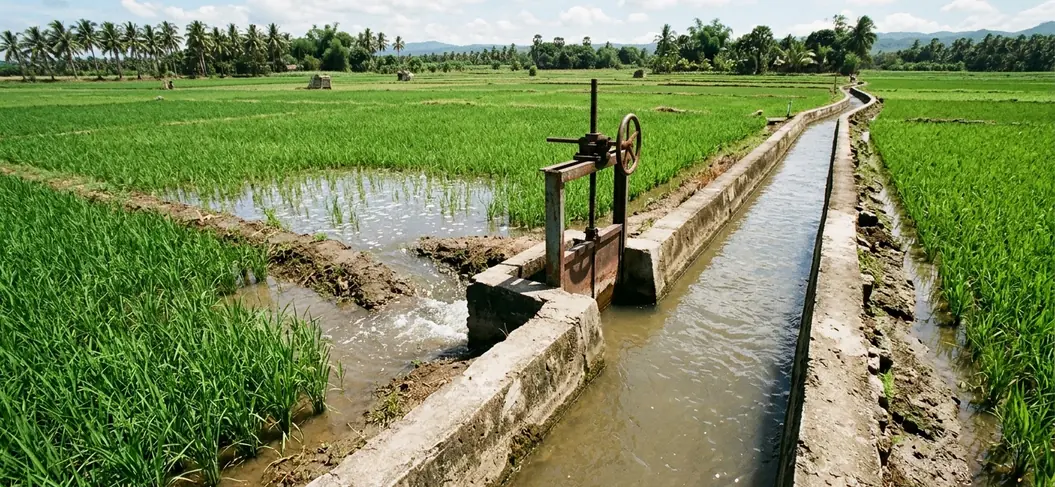
The free irrigation rollout across the MRIIS service area encompassed a coverage zone of roughly 80,000 to 85,000 hectares. Implementation of the fee waiver took effect over a 60 to 90-day transition period starting in early 2017. However, the actual financial relief provided by the ISF waiver varied significantly depending on whether a farmer relied on gravity-fed national irrigation systems or fuel-dependent shallow tube wells.
Localized Livelihood Grants and Soft Loans
Regional support mechanisms evolved to address the specific gaps left by national policies. Around 2019, the DOLE RO2 awarded livelihood projects to the Bone South Farmers’ Association and Butao Upland Farmers’ Association. These grants funded the establishment of an Agri-farm Supply Store, directly lowering input costs for the community. Crucially, the DOLE RO2 livelihood grants allocated in 2019 included GSIS premium coverage for worker members spanning an initial 6 to 12-month period.
Municipal interventions took a proven, direct approach to capital injection. Solsona Mayor Jonathan De Lara distributed zero-interest soft loans—payable only after harvest, and weather-resistant hybrid rice to around 20 farmers groups on a Wednesday. He structured the zero-interest soft loan distribution by aligning the release dates with the local agricultural calendar, ensuring funds and hybrid seeds reached the groups exactly when planting commenced.
Zero-interest soft loans distributed by the Solsona municipal government ranged from PHP 10,000 to PHP 15,000 per farmer. This targeted approach bypassed the lengthy approval processes of traditional banks, providing immediate liquidity for land preparation and labor costs.
Scope and Limitations of Current Subsidies
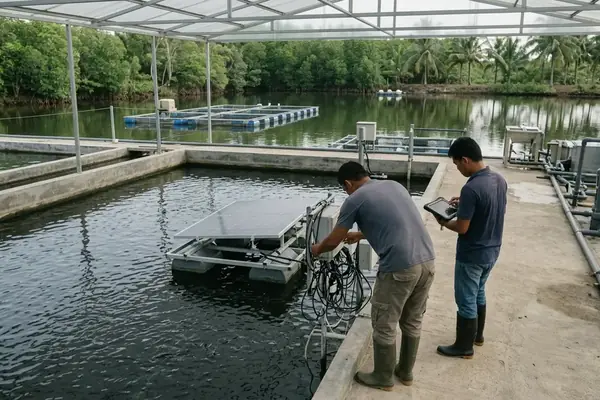
The current subsidy framework operates within strict, legally defined boundaries. The waiver on irrigation fees strictly applies to subsistence and commercial agricultural crops, explicitly excluding water diverted for corporate aquaculture or private fish ponds. This distinction ensures that state-funded irrigation resources remain dedicated to food security rather than corporate enterprise.
Efficient distribution of hybrid seeds and soft loans relies heavily on local government units. To prevent the depletion of municipal agricultural funds, local government units established strict verification protocols for the hybrid seed distribution, requiring farmers to present updated registrations. Verification of farmer registries at the LGU level typically takes about 5 to 7 business days prior to seed distribution.
Note: Guaranteed access to these programs requires navigating a complex bureaucratic pipeline. Administrative processing for mandatory crop insurance under the supervised credit program requires a lead time of 20 to 30 working days.
Summary: These combined subsidies address a significant portion of the capital needs for palay farmers, yet administrative requirements persist. While these figures provide a clear baseline of formal state support, this analysis cannot account for the parallel reliance on informal, high-interest credit networks that many rural households still rely on to bridge immediate cash shortfalls.







Comments
No comments so far.
Add Your Thoughts