
The Evolving Landscape of Global Security
I begin by examining the fundamental shift in threat vectors through a first-principles approach to institutional defense. In 1995, the Bojinka plot targeted international airliners from Manila, cementing aviation security as the proven framework for global counter-terrorism. Today, the theater has shifted entirely toward asymmetric warfare and decentralized execution.
Tracking data indicates a sustained increase in small-skiff abductions along maritime chokepoints. Commercial operators now navigate a roughly 400-nautical-mile stretch between Tawi-Tawi and Sabah with vessel transit speeds dropping to around 10-12 knots in high-risk zones.
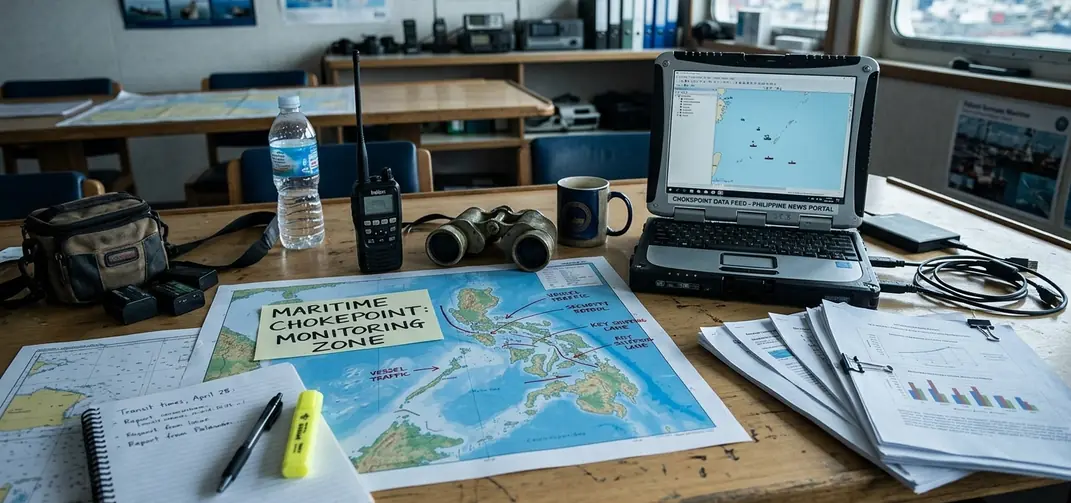
This intersection of regional maritime vulnerabilities and transnational extremism requires a new theoretical approach to enforcement. We must track both localized insurgencies and state-level military escalations to understand the modern threat matrix. Even coastal administrative hubs like San Fernando City, La Union, must adapt their maritime policing doctrines to account for these highly mobile, low-signature tactics.
Criteria and Scope of Analysis
To establish a rigorous baseline for comparative institutional analysis, I focus on verified incidents involving international terrorism, maritime security breaches, and geopolitical military escalations. The parameters for this evaluation span January 2015 through December 2017.
Researchers established this window by cross-referencing displacement logs from the UN Office for the Coordination of Humanitarian Affairs (OCHA) with regional defense ministry press releases. We applied a strict 36-to-48-hour verification window for official statements. This methodology filters out unverified skirmishes to isolate incidents that force structural changes in security policy.
Note: While this compilation highlights defining events, incident logs from regional defense ministries frequently omit low-level piracy attempts that do not result in crew abduction or cargo loss.
5 Defining Security and Terrorism Events
Investigators categorized these events by tactical execution. We group urban asymmetric assaults separately from resource-driven maritime operations to better understand the distinct institutional failures they exploit.
1. Maritime Kidnappings by Abu Sayyaf
The Abu Sayyaf network demonstrated severe vulnerabilities in the Borneo-Philippines sea lane. Their operations culminated in the abduction of 10 Indonesian tugboat crew members and the crew of the Korean-flagged M/V Dongbang Giant 2. This represents a shift toward economic warfare, using hostages to fund broader insurgent activities.
2. The San Bernardino Tactical Assault
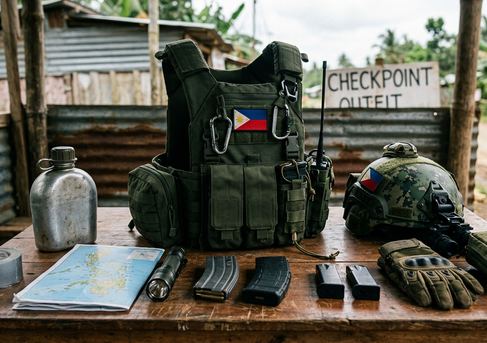
The December 2, 2015, tactical assault redefined domestic threat models. Syed Farook and Tashfeen Malik used tactical gear in a mass shooting that bypassed traditional intelligence tripwires. Post-incident certified statements from Police Chief Jarrod Burguan detailed the recovery of around 1,600 rounds of.223 caliber ammunition, highlighting the sheer volume of firepower accessible to self-radicalized actors.
3. Coordinated Blasts at Zaventem Airport
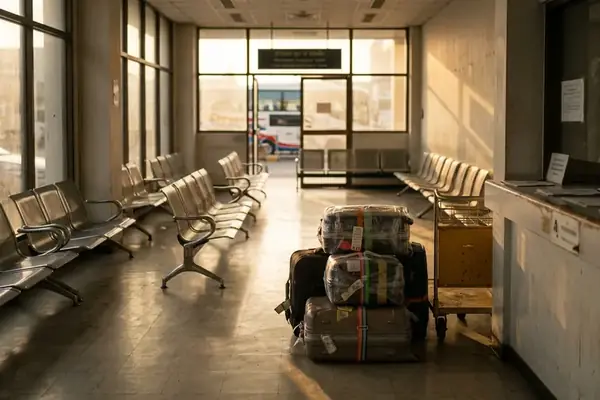
In March 2016, coordinated blasts at Zaventem Airport in Brussels exposed critical infrastructure vulnerabilities. Attackers used booby-trapped explosives in the departure hall—a soft target zone outside the primary security perimeter. This prompted a maximum terror alert across Europe and forced a redesign of airport terminal access protocols.
State-Level Military Escalations
Beyond non-state actors, sovereign posturing altered the strategic calculus during this period. DPRK missile flight distances reaching approximately 800 kilometers forced neighboring defense ministries to reevaluate their airspace denial capabilities and accelerate the deployment of advanced interceptors.
Strategic Responses and Defense Implementations
How do institutions respond to this bifurcated threat environment? Military planners evaluated the integration of advanced missile defense systems, including the AEGIS combat system and Norway's Fridtjof Nansen-class frigates. By analyzing post-exercise debriefs from bilateral naval drills, they determined that distributed lethality tactics offered the most viable countermeasure against state-level threats.
In the maritime domain, Indonesian Transport Minister Ignasius Jonan mandated the deployment of armed escorts for commercial vessels exceeding 500 gross tonnage following the Abu Sayyaf abductions. During the administration of Philippine President Rodrigo Duterte, regional security frameworks faced intense pressure to operationalize these mandates across overlapping jurisdictions.
Evaluations reveal a critical friction point in these implementations. Applying urban counter-terrorism doctrines to maritime insurgencies frequently results in delayed response times due to the vast operational theater of the Sulu Sea. Furthermore, the effectiveness of armed commercial escorts varies significantly depending on the vessel's freeboard height and the transit speed through contested maritime corridors.
State-level defense requires guaranteed hardware expansion to maintain deterrence. The US Air Force submitted an unfunded priorities list requesting procurement of 14 additional F-35 Lightning II aircraft and F-16s for survivability upgrades.
As adversaries continuously refine their asymmetric capabilities, will our procurement cycles and institutional reforms outpace their tactical innovations?










Comments
No comments so far.
Add Your Thoughts