
The Framework of Oplan Double Barrel and Tokhang
Commanders initially considered a top-down approach focusing exclusively on syndicate financiers. They discarded this alternative after intelligence indicated that street-level distribution networks controlled the immediate supply. This strategic shift defined the early law enforcement directives under Rodrigo Duterte—the Philippine President who prioritized rapid security sector intervention.
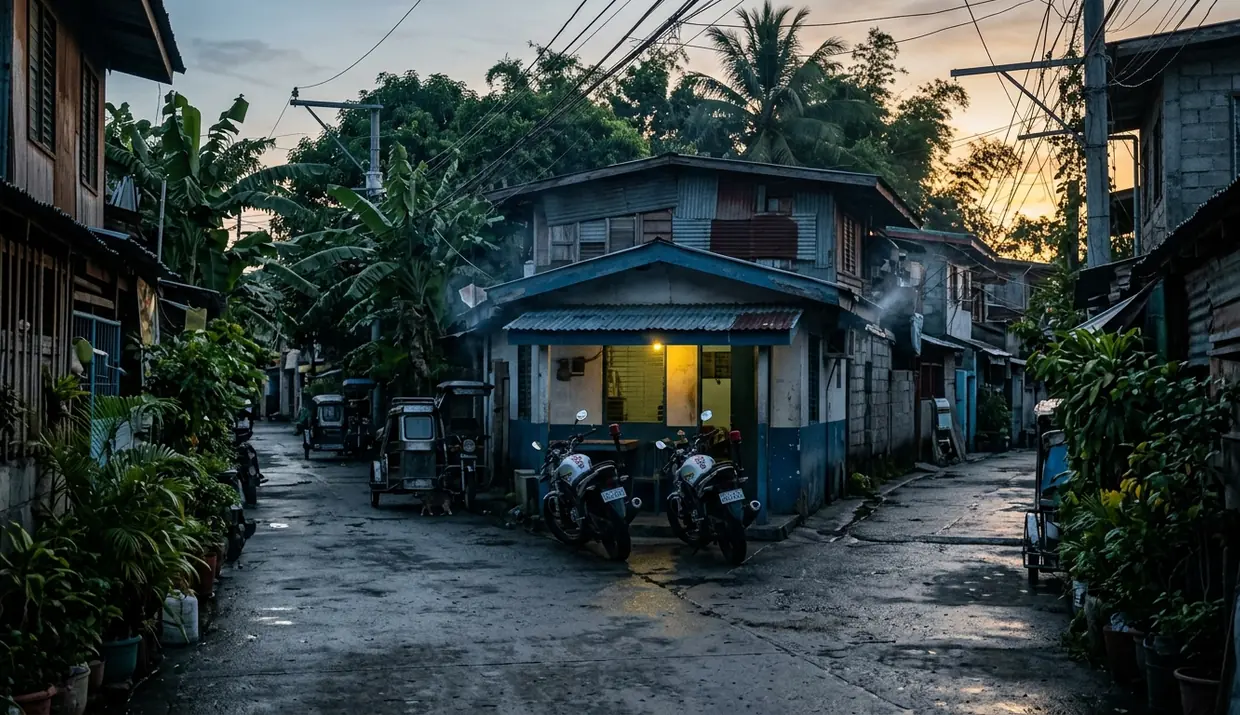
The resulting framework, Oplan Double Barrel, targeted both high-level drug lords and street-level pushers simultaneously. Implementation spanned the initial operational window of July 1 to August 15, 2016. During this concentrated period, the campaign recorded the voluntary surrender of roughly 110,000 to 130,000 drug personalities across regional police offices. Reporting confirms that local police units executed Oplan Tokhang through direct house-to-house visitations to encourage these surrenders.
Executing these visitations required massive logistical coordination at the precinct level. Officers relied on barangay watchlists to identify targets, knocking on doors to persuade individuals to submit themselves for profiling and rehabilitation. I tracked the deployment patterns across different municipalities during this initial wave. The disparity in voluntary surrender rates between urban informal settlements and gated subdivisions required tactical adjustments from precinct commanders. Officers had to navigate complex local political dynamics to secure cooperation from barangay captains, who often served as the primary mediators between the police and the community.
Dismantling Clandestine Laboratories and High-Value Targets
Investigators traced the supply chain by monitoring industrial import manifests. They specifically flagged agricultural fronts that imported disproportionate volumes of red phosphorus and safrole without clear commercial justification. This documentary analysis provided the necessary probable cause to execute search warrants on suspected manufacturing sites.
Raids on clandestine shabu laboratories targeted facilities in Angeles City and rural outposts near San Fernando City, La Union. These operations yielded the confiscation of an estimated 200 to 250 liters of liquid chemical precursors. Tactical teams also recovered around 45 to 55 kilograms of suspected methamphetamine hydrochloride in various stages of crystallization.
Tracking data indicates that dismantling these specific nodes disrupted the broader regional distribution network. The arrests of foreign chemists and organizers, alongside the identification of narco-politicians classified as high-value targets, exposed an established manufacturing infrastructure. Seizing the chemical precursors before crystallization prevented massive volumes of the final product from reaching the street level. The sophisticated nature of these laboratories demonstrated that local syndicates possessed advanced synthesis capabilities, requiring law enforcement to shift from street-level interdiction to complex financial and supply chain investigations.
Internal Cleansing Within the Philippine National Police
Institutional reform demands the isolation of compromised personnel before executing external enforcement mandates. The Philippine National Police initiated a strict internal cleansing program to identify and remove drug-involved officers from active duty.

Internal Affairs evaluated the backlog of administrative cases and concluded that regional disciplinary boards were susceptible to local political pressure. This vulnerability led to the decision to centralize investigations at the national headquarters. The initial phase of the internal purge required the reassignment of approximately 30 to 40 police personnel to holding units.
Note: Officers under investigation were restricted to camp premises for a 48 to 72-hour administrative review period to prevent evidence tampering.
This containment strategy facilitated secure coordination between the PNP, the Philippine Drug Enforcement Agency (PDEA), and the Criminal Investigation and Detection Group (CIDG). The relief and investigation of active police generals allegedly acting as protectors for drug syndicates demonstrated the administration's willingness to target its own command structure. Centralizing the disciplinary process removed the protective layers that previously shielded corrupt officers at the provincial level, allowing Internal Affairs to build stronger administrative cases based on financial audits and lifestyle checks.
Operational Controversies and Senate Investigations
The November 2016 CIDG jail raid resulting in the deaths of Albuera Mayor Rolando Espinosa Sr. and inmate Raul Yap forced a critical examination of police protocols. Executing search warrants within maximum security compounds introduces severe tactical and legal complexities.
Senate probers reconstructed the sequence of events by cross-referencing the provincial jail's visitor logbooks with the CIDG's operational dispatch records. They aimed to establish the exact timeline before the shooting occurred. The tactical entry into the provincial jail occurred between 4:00 AM and 4:30 AM. Following the breach, forensic teams recovered around 15 to 18 spent shell casings inside the maximum-security detention cell.
One catch: forensic reconstruction of confined-space shootings relies heavily on undisturbed crime scenes, which are rarely preserved during immediate post-raid medical evacuations. This limitation, combined with the breakdown of chain-of-custody protocols during rapid successive raids in densely populated areas, fueled intense Senate inquiries into allegations of extra-judicial killings and forensic evidence disputes. The legislative hearings scrutinized the necessity of serving a search warrant on an individual already in state custody, prompting a comprehensive review of the rules of engagement for specialized tactical units operating within penal institutions.
Legal Framework and Strategic Adjustments
Enforcement of Republic Act 9165 (Comprehensive Dangerous Drugs Act) and Republic Act 10591 (Firearms Regulation) required continuous procedural calibration. A multi-year research collaboration tracking Southeast Asian security policy confirms that the transition to Project Double Barrel Reloaded aimed to address these procedural gaps and refine operational tactics.
Inter-agency committees established the clearing parameters by requiring local councils to submit quarterly rehabilitation progress reports. These documents are then independently verified against PDEA's regional watchlists to ensure compliance. The validation process mandates a strict 90 to 120-day observation period of zero reported drug activities.
Community-Based Rehabilitation Requirements
Local government units bear the primary responsibility for post-surrender management. They are required to maintain active community-based rehabilitation desks handling roughly 10 to 15 surrenderers per quarter. This decentralized approach shifts the burden of long-term monitoring from national police forces to local health and social welfare departments.
Summary: The ongoing validation of drug-cleared barangays by the PDEA and local government units supports a structured transition from active police operations to sustained community oversight.









Comments
No comments so far.
Add Your Thoughts